
Why the Car Showroom Negotiation Is Dying
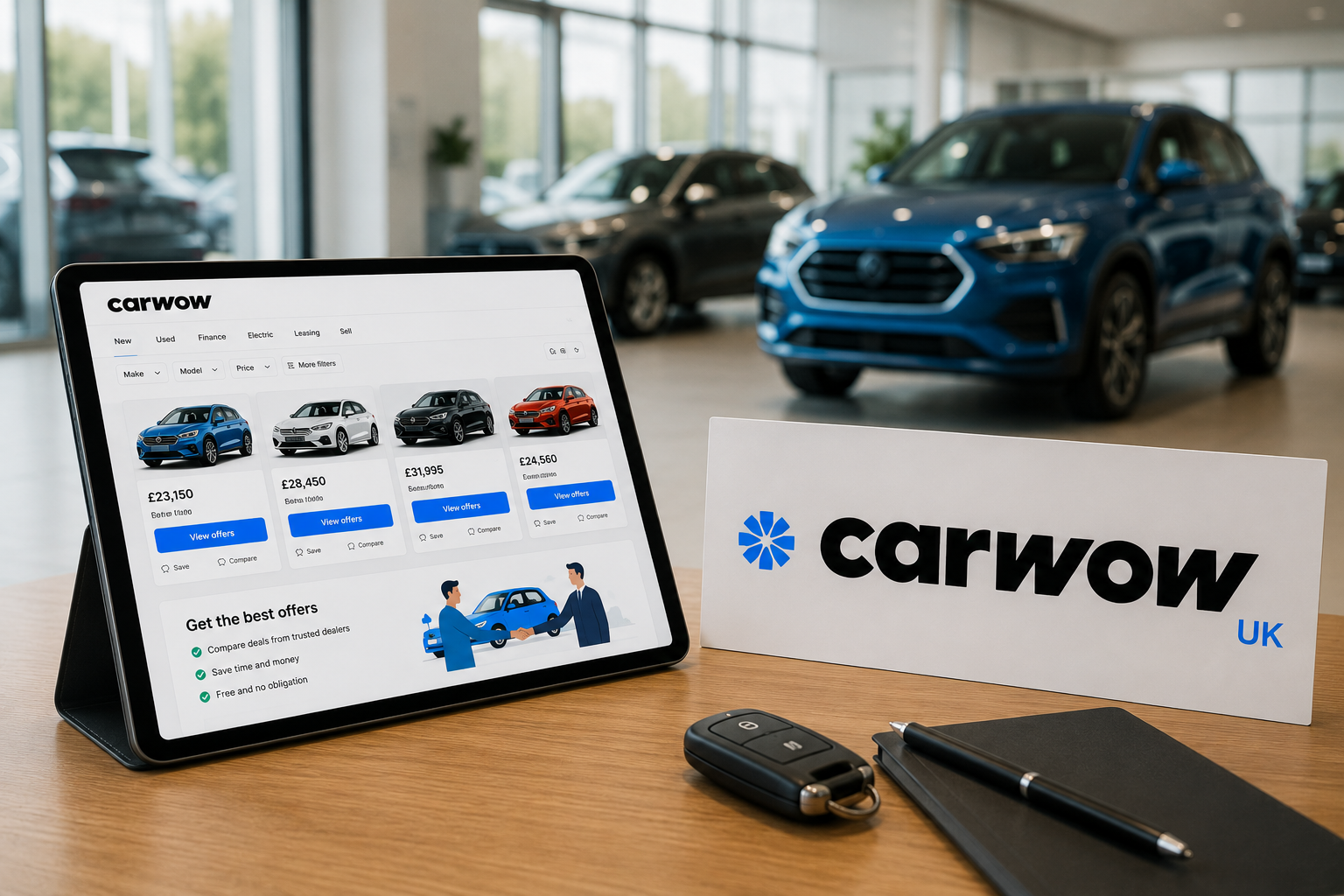
For most of the last century buying a car meant walking onto a forecourt shaking a salesperson's hand and entering a negotiation where one side had almost all the information and the other side had almost none. That imbalance shaped the entire experience — the nerves the haggling the vague sense afterward that you might have paid too much. That model isn't dead yet but it's fading fast replaced by something structurally different: online marketplaces like Carwow UK where dealers compete for a buyer's business before any face-to-face conversation even happens. Understanding why that shift is happening explains a lot about where car buying is headed next.
The Old Information Gap
The traditional forecourt negotiation worked because the dealer knew things the buyer didn't — true margins how flexible pricing actually was what other buyers had recently paid for the same model. A buyer walking in with a target price was often negotiating against a moving target they couldn't see. Even well-prepared buyers were at best guessing at the floor. That gap wasn't necessarily malicious; it was simply how a fragmented forecourt-by-forecourt market functioned when there was no easy way to compare offers side by side.
What Changed
Online car marketplaces flipped that structure by putting the request out to multiple dealers at once and letting them compete on price for the same precisely specified vehicle. Instead of one buyer facing one dealer it becomes one buyer facing several dealers who each know they're being compared. That single change — visible competition — does more to move price than any negotiating tactic ever could across a showroom desk. A dealer offering a weaker price simply doesn't win the sale and there's no room for that to be disguised the way it might be in a one-on-one conversation.
Why Dealers Play Along
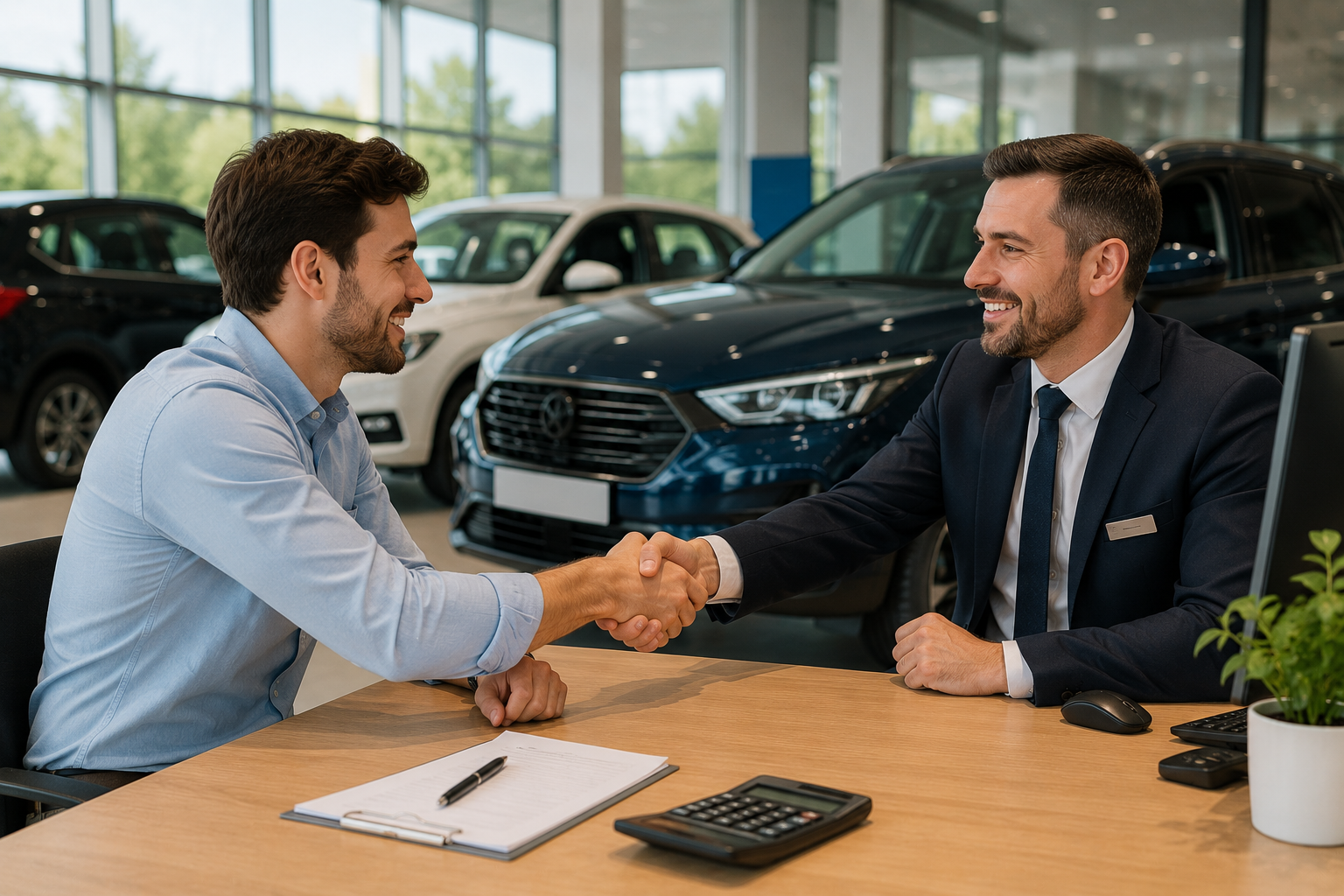
It's a fair question why dealers would willingly enter a system that suppresses their margins. The honest answer is that certainty has its own value. A dealer fielding a specific real request from a buyer who has already decided on make model and spec is looking at a highly qualified lead — far more valuable than an anonymous showroom visitor who might be several weeks from a decision. Many dealers would rather take a smaller margin on a sale they know is close to happening than a larger margin on a maybe. That trade-off is what makes competitive online platforms sustainable for both sides rather than a one-way squeeze.
The Buyer's New Job
Negotiation skill used to be the main lever a buyer had over price. In a marketplace model that lever matters less and a different skill matters more: specification precision. Because dealers are quoting against an exact configuration small changes in trim engine or optional extras can shift which dealers are even competing and by how much. Buyers who take the time to nail down exactly what they want before requesting quotes tend to see a much tighter more genuinely competitive spread of offers than buyers who leave things vague and get comparisons that aren't quite apples to apples. On a platform like Carwow UK that precision is what turns a handful of quotes into a genuinely useful comparison rather than a scattershot of loosely related offers.
Where Human Judgement Still Matters
None of this removes the need for judgement entirely — it just moves where that judgement is applied. Independent reviews trim comparisons and running-cost data still matter enormously because a great price on the wrong car isn't actually a good deal. The valuable skill shifts from haggling over a number to research: understanding real-world reliability residual values and how a specific trim level holds up against alternatives before ever requesting a quote. The marketplace handles the price competition; the buyer still has to decide what's actually worth buying.
The Part-exchange Wrinkle
One area where the online model has had to adapt is trade-ins because valuing a used car well requires more than a spec sheet — it requires an inspection. Most marketplaces handle this by separating the two transactions: the new car's price gets locked in through competitive quoting and the trade-in gets a provisional valuation upfront followed by a confirmation once the vehicle is physically inspected. It's a reasonable compromise though it does mean the final number can still shift slightly at handover which is worth knowing going in so it doesn't come as a surprise.
What This Means For The Showroom
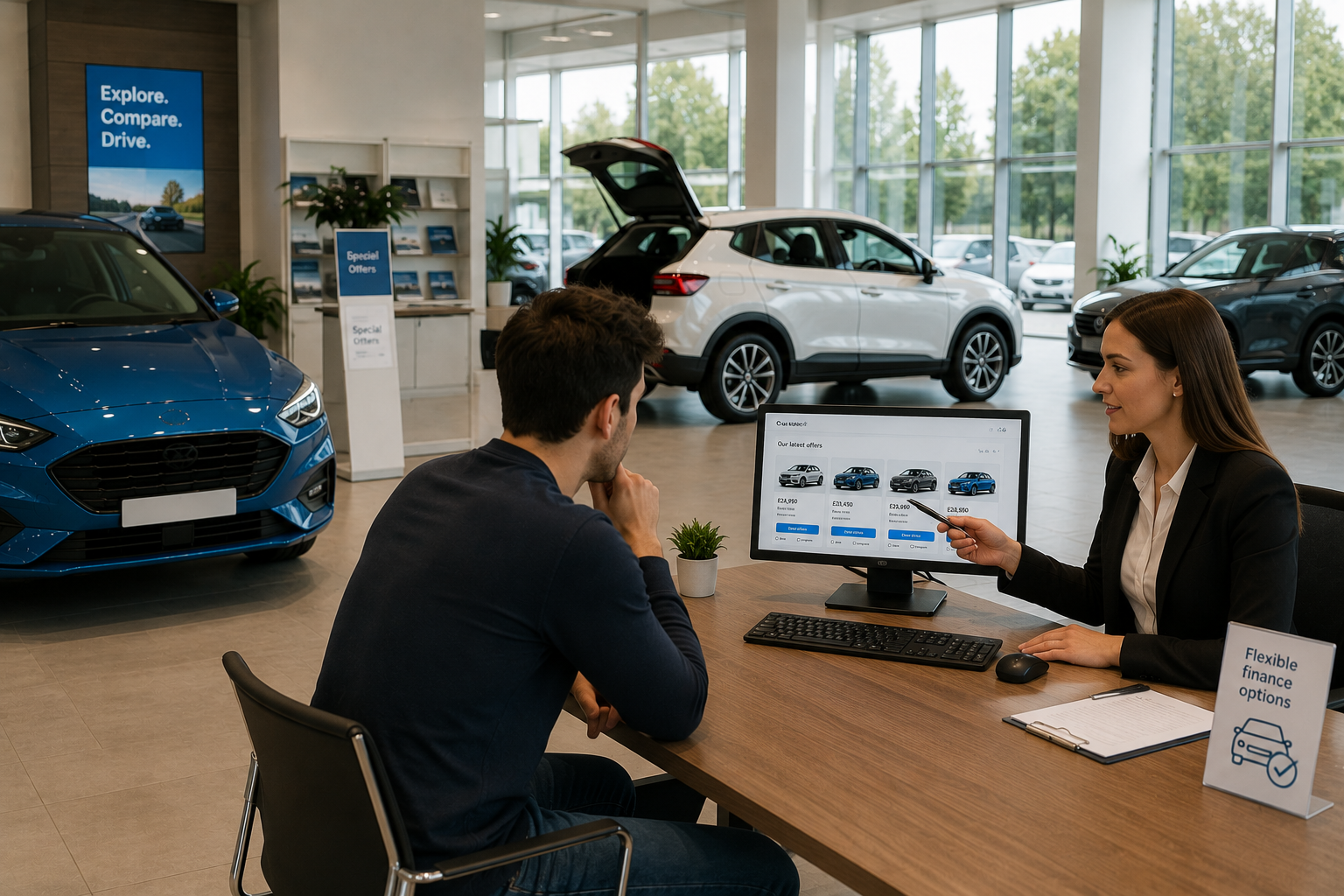
None of this means physical dealerships disappear. Test drives handover and servicing still happen in person and probably always will. What's changed is which part of the journey the showroom actually owns. It's no longer the venue where price gets decided; it's increasingly just the place where a decision already made online gets finalized and the car gets collected. That's a meaningfully smaller role than dealerships held a decade ago and it's reshaping how showrooms staff and structure themselves — less negotiation more logistics and customer service.
The Broader Shift
Cars are catching up to a pattern that's already played out in other big-ticket categories from flights to mortgages: opacity gets replaced by comparison and comparison gets replaced by competition. Once buyers can see multiple real offers side by side the incentive for any single seller to hide behind vague pricing collapses. It doesn't necessarily make every purchase cheaper in isolation but it does make the market as a whole harder to game which is a meaningfully different experience than the one car buyers have dealt with for generations.
Final Thought
The showroom negotiation isn't gone but its purpose has changed. Price discovery has moved online where competition does the work negotiation skill used to do and the in-person visit has become the final step rather than the main event. For buyers that's mostly good news — less confrontation more transparency and a process that finally puts the information imbalance in reverse. It's worth trying that shift firsthand — request a few quotes through Carwow UK on your next car and see how differently the whole process feels.